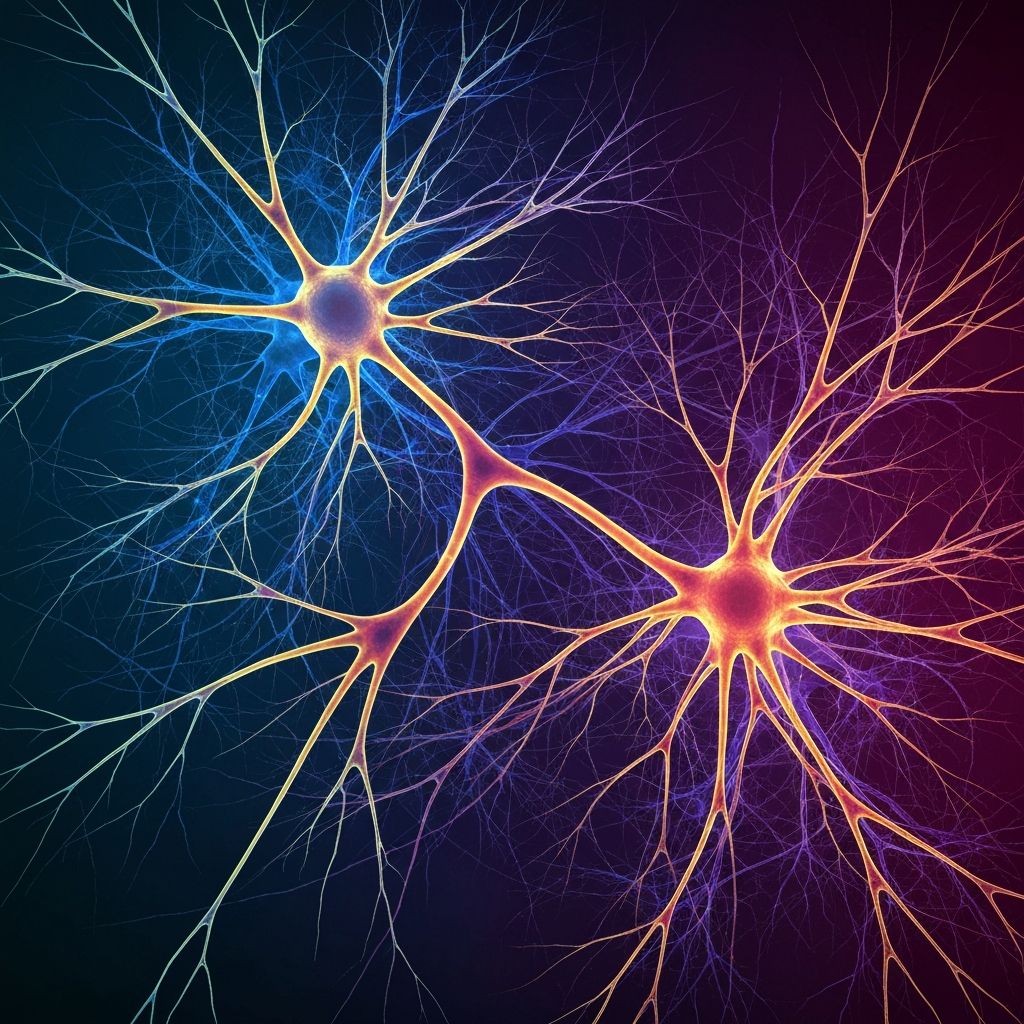
Hypothalamic Appetite Centres
The hypothalamus contains two principal regions involved in appetite regulation: the lateral hypothalamus (traditionally associated with feeding behaviour) and the medial hypothalamus (traditionally associated with satiety). These regions contain populations of neurons sensitive to circulating metabolic signals—including leptin, ghrelin, glucose, and fatty acids—which integrate to generate appetite and satiety sensations.
During acute stress, catecholamine release and parasympathetic withdrawal typically suppress appetite signalling through these hypothalamic centres. However, under conditions of chronic stress, sustained changes in glucocorticoid and catecholamine signalling can reshape the sensitivity and responsiveness of these appetite-regulatory neurons.
Homeostatic and Hedonic Appetite Pathways
Appetite regulation involves two partially distinct systems:
- Homeostatic Appetite: Driven by metabolic need and energy deficit. The hypothalamus integrates signals reflecting energy status (leptin, ghrelin, insulin, metabolic fuels) to drive feeding when energy stores are depleted.
- Hedonic Appetite: Driven by reward value and palatability of food. This system engages the ventral striatum, prefrontal cortex, and other limbic structures. Hedonic hunger can persist and drive food intake even in the absence of metabolic need.
Chronic stress appears to shift the balance between these systems, potentially enhancing hedonic (reward-driven) appetite whilst dampening homeostatic satiety signalling.
Alterations in Appetite Hormone Signalling
Chronic stress exposure affects the production and signalling of key appetite-regulating hormones:
- Ghrelin: This hormone, secreted primarily from the stomach, stimulates appetite. Chronic stress is associated with altered ghrelin secretion patterns, and elevated ghrelin has been observed in individuals reporting high perceived stress.
- Leptin: This adipokine, secreted by adipose tissue, generally signals energy sufficiency and suppresses appetite. Chronic stress can reduce leptin sensitivity (leptin resistance), reducing its appetite-suppressive effects.
- Peptide YY and GLP-1: These intestinal hormones promote satiety. Chronic stress may reduce their secretion or central signalling, potentially reducing satiety sensation.
Reward System Sensitisation Under Chronic Stress
Chronic stress profoundly alters dopamine signalling in the reward system. The ventral striatum and prefrontal cortex—key brain regions in reward processing and food motivation—show altered dopamine dynamics under chronic stress. These changes enhance the motivational salience of palatable (high-fat, high-sugar) foods whilst potentially dampening other reward-related activities.
This rebalancing towards food-reward sensitivity may partially explain observations of increased consumption of energy-dense foods during periods of chronic psychological stress, even in the absence of increased metabolic need.
Stress-Induced Appetite Suppression vs Enhancement
It is important to distinguish between acute and chronic stress effects on appetite:
- Acute Stress: Typically suppresses appetite through catecholamine signalling and hypothalamic changes. Most individuals report reduced hunger and food intake during acute stress episodes.
- Chronic Stress: Produces more variable effects. Whilst some individuals continue to show suppressed appetite, others show enhanced appetite—particularly for palatable foods. This individual variability likely reflects differences in HPA axis sensitivity, genetic factors, and learned behavioural responses.
Prefrontal Cortex and Impulse Control
The prefrontal cortex (PFC), involved in executive function, impulse control, and decision-making, shows structural and functional alterations under chronic stress. These changes can impair the ability to resist food cravings and regulate food intake based on internal satiety signals. Additionally, stress-induced shifts in PFC function may enhance the motivational pull of food-related cues in the environment.
Individual Differences in Stress-Eating Responses
Population studies document substantial individual variability in how chronic stress affects eating behaviour. Some individuals show increased food intake and preference for comfort foods; others show continued suppression or minimal change. This variability reflects differences in:
- HPA axis reactivity and glucocorticoid receptor sensitivity
- Baseline dopamine system function
- Coping strategies and learned behaviours
- Cultural and familial influences on food choice
- Genetic predispositions to stress-related eating
Summary
Chronic stress reshapes appetite regulation through multiple mechanisms: altered hypothalamic function, changes in appetite hormone signalling, enhanced reward system sensitivity to palatable foods, and impaired executive control over food intake. The net effect is often an increase in consumption of energy-dense foods, though individual responses vary considerably. These appetite alterations, combined with metabolic changes from sustained glucocorticoid elevation, contribute to stress-associated shifts in energy balance and body composition.