Physiological and Behavioural Links Between Chronic Stress and Body Mass

An educational resource exploring the mechanisms of stress physiology, hormonal responses, and observed associations with body composition.

Educational content only. No promises of outcomes.
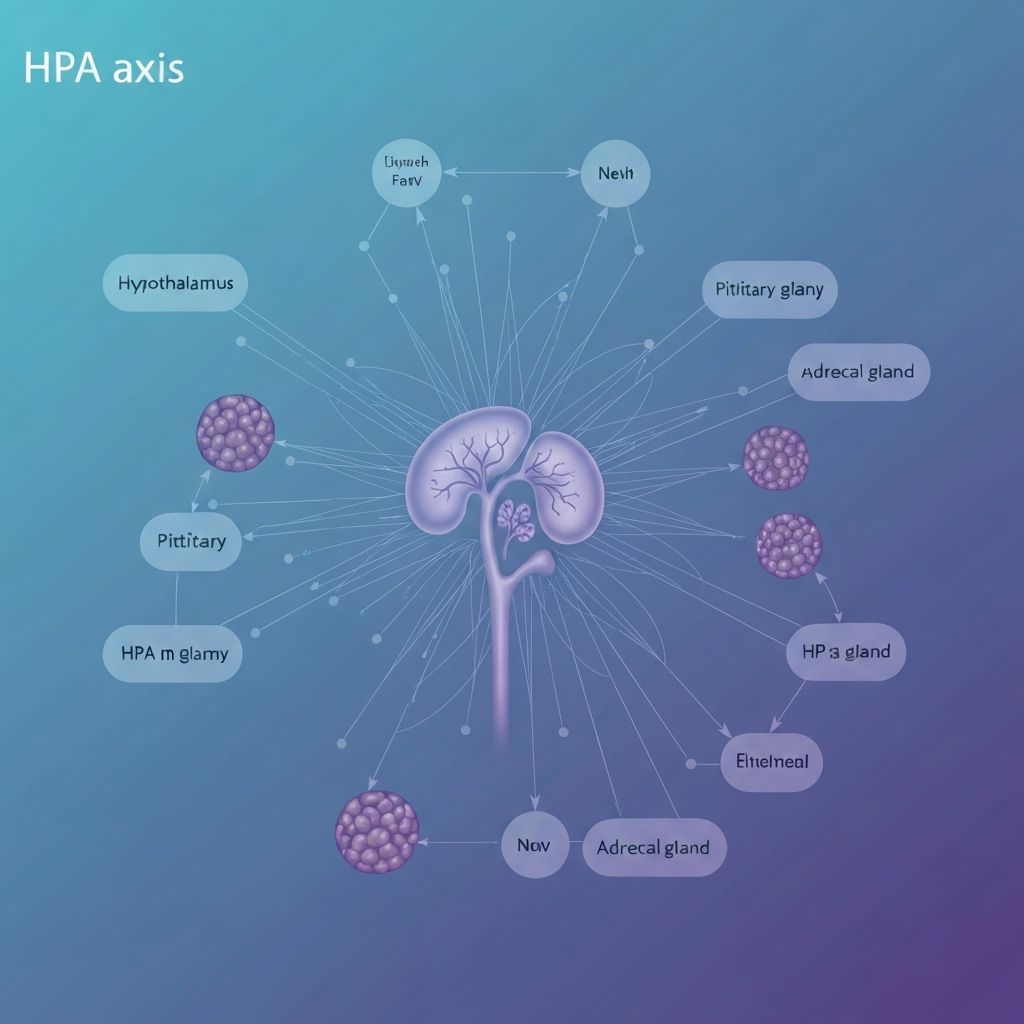
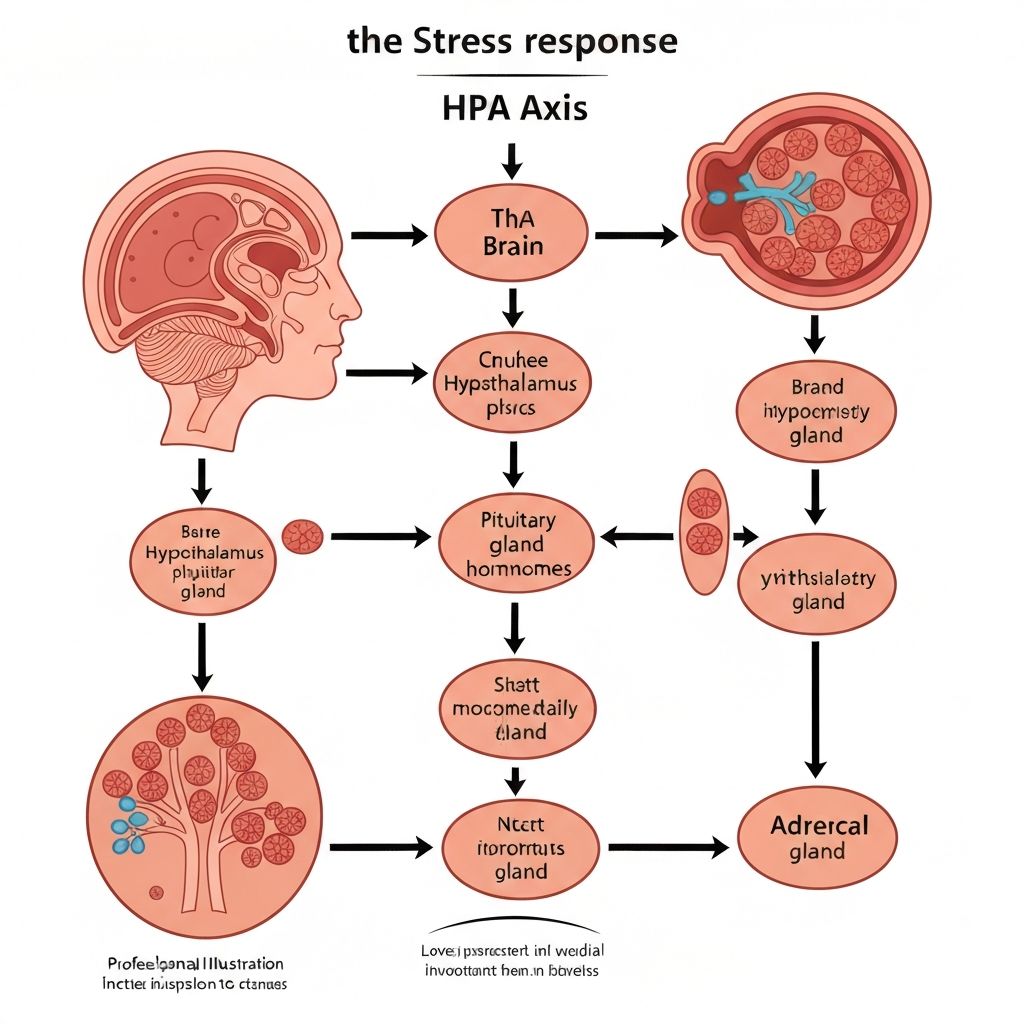
HPA axis stress pathway diagram

Overview of the Stress Response System

The hypothalamic-pituitary-adrenal (HPA) axis is a central neuroendocrine system that orchestrates physiological responses to stress. When the body perceives a stressor, the hypothalamus releases corticotropin-releasing hormone (CRH), triggering a cascade that results in glucocorticoid (cortisol) secretion from the adrenal cortex. This system evolved to mobilise energy and resources during acute threats, but prolonged activation under chronic stress conditions is associated with sustained changes in metabolic and behavioural patterns.

HPA axis anatomical pathway

Cortisol and Energy Metabolism

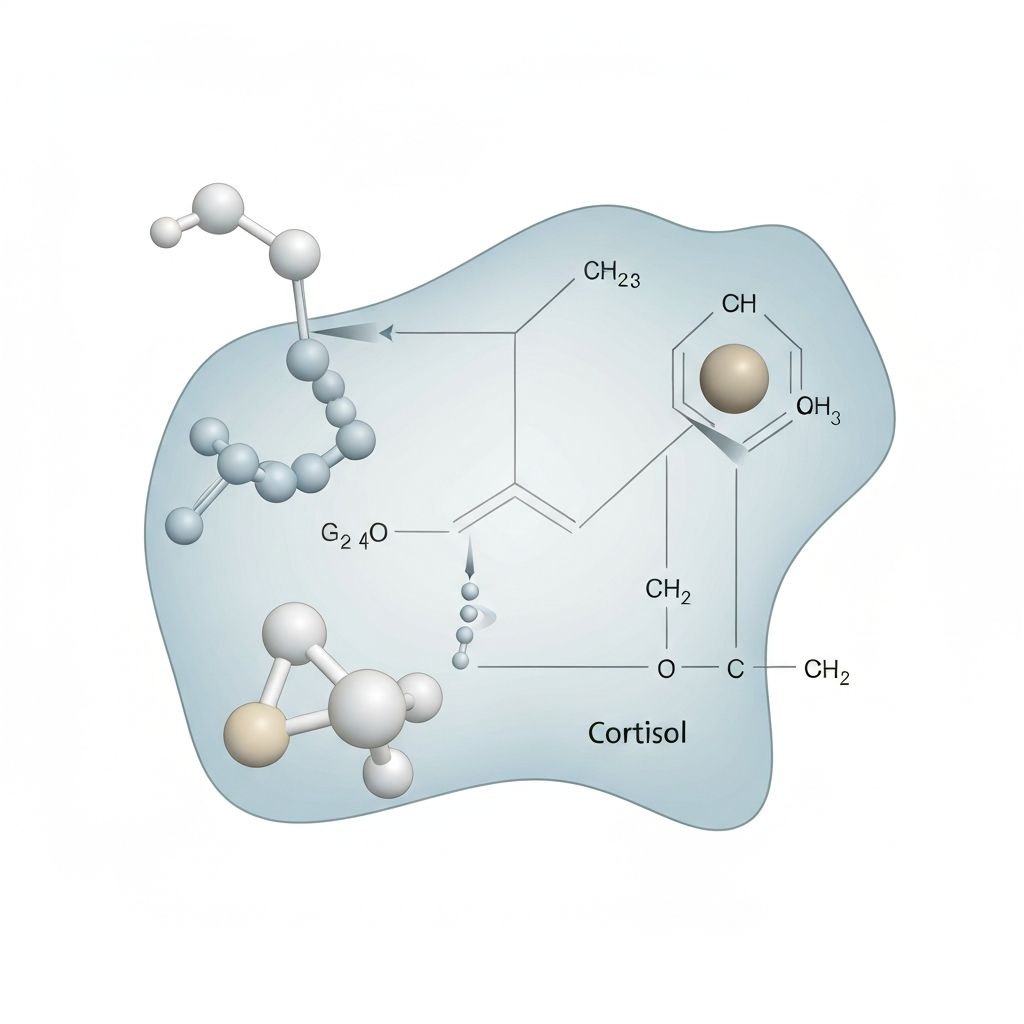
Glucocorticoids exert broad metabolic effects across multiple tissue types. In adipose tissue, cortisol promotes lipolysis during acute stress but also enhances the accumulation and storage of visceral adiposity during prolonged elevation. In the liver, glucocorticoids increase gluconeogenesis and glycogenolysis, elevating blood glucose. In skeletal muscle, cortisol promotes protein breakdown, redirecting amino acids toward hepatic gluconeogenesis. These effects are part of an energy mobilisation strategy; however, when stress becomes chronic, the sustained metabolic reshuffling can contribute to shifts in body composition and energy partitioning.

Cortisol metabolic effects diagram

Stress-Induced Changes in Appetite Regulation

Acute stress typically suppresses appetite through catecholamine signalling and parasympathetic withdrawal. However, prolonged stress exposure can shift appetite dynamics. The hypothalamus integrates stress-related signals with homeostatic hunger/satiety cues. Chronic elevation of glucocorticoids and sustained sympathetic activation may enhance sensitivity to reward-related eating cues whilst dampening satiety signalling. Additionally, stress influences the production of appetite-regulating peptides such as ghrelin and leptin, potentially favouring increased energy intake in certain individuals during chronic stress periods.

Behavioural Eating Patterns Under Chronic Stress

Observational studies document associations between perceived chronic stress and increased preference for energy-dense, high-fat and high-sugar foods. This phenomenon, sometimes termed "comfort eating" or stress-induced eating, reflects both direct physiological changes in reward sensitivity and learned behavioural patterns. Under conditions of psychological distress, the hedonic (reward-driven) aspects of eating may become more salient, potentially overriding homeostatic satiety signals. Individual variability in stress-eating responses is substantial and influenced by genetic, developmental, and cultural factors.

Abstract stress environment

Acute vs Chronic Stress Effects on Body Composition

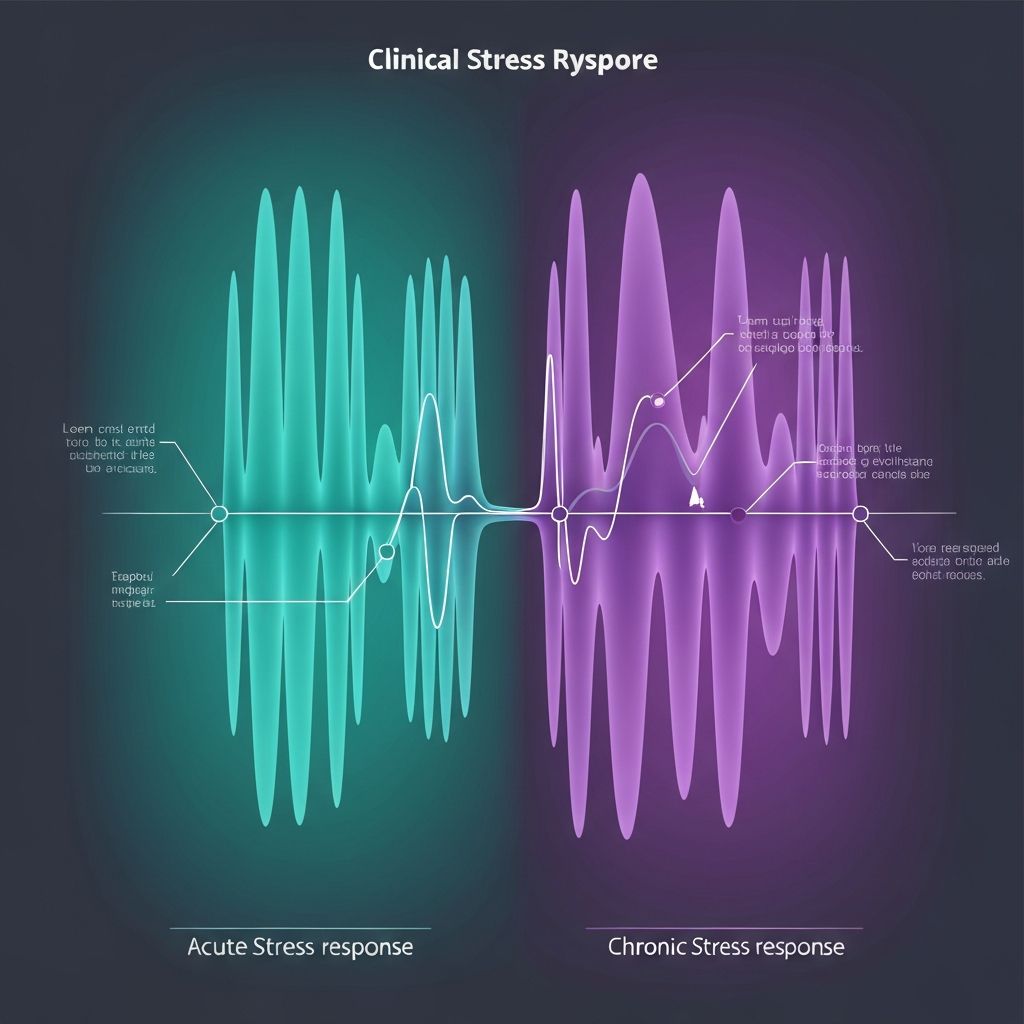
Acute stress typically produces rapid metabolic acceleration, appetite suppression, and net energy mobilisation—effects mediated by catecholamine surges and parasympathetic withdrawal. Body weight changes during acute stress are usually transient.

Chronic stress, by contrast, produces sustained alterations in glucocorticoid signalling, appetite regulation, and behavioural food intake. The direction and magnitude of body mass changes vary among individuals; however, population-level data associate chronic perceived stress with increased body mass index and visceral adiposity accumulation over time. The mechanisms underlying individual differences in stress-related weight change remain incompletely understood but likely involve interactions between stress physiology, genetic susceptibility, dietary patterns, and lifestyle factors.

Acute versus chronic stress response timeline

Population-Level Associations Between Stress and BMI

Cross-sectional and longitudinal epidemiological studies in diverse populations report modest but consistent positive associations between self-reported perceived stress and body mass index (BMI), as well as between chronic stress exposure and markers of central adiposity. These associations persist after adjustment for socioeconomic factors, physical activity, and baseline weight, suggesting a physiological or behavioural link. However, observational studies cannot establish causation, and the direction of causality (stress → weight or weight-related concerns → stress) remains debated. Additionally, individual responses to chronic stress vary considerably; some individuals experience weight loss whilst others experience weight gain under similar stress conditions.

Common Research Observations on Stress-Weight Links

Key findings from human and animal studies include:

Research data visualization

Related Articles

Explore detailed mechanisms and research findings across our articles:

Stress physiology overview

The HPA Axis and Glucocorticoid Signalling

Detailed exploration of the hypothalamic-pituitary-adrenal axis and the role of cortisol in stress physiology.

Read more →

Cortisol Dynamics in Prolonged Stress

Patterns of cortisol secretion, circadian rhythms, and regulation under conditions of chronic stress exposure.

Read more →

Stress Effects on Central Appetite Control

How chronic stress alters hypothalamic appetite circuits and influences reward-driven food seeking behaviour.

Read more →

Peripheral Metabolic Responses to Glucocorticoids

Tissue-specific effects of glucocorticoids on adipose tissue, liver, and muscle metabolism during chronic stress.

Read more →

Behavioural Correlates of Chronic Stress and Eating

Comfort-seeking eating patterns, food preferences, and learned behaviours under prolonged psychological stress.

Read more →

Observational Links Between Stress Measures and Body Mass

Key findings from human cohort studies examining associations between perceived stress and body composition.

Read more →

Frequently Asked Questions

What is the HPA axis?
The hypothalamic-pituitary-adrenal (HPA) axis is a neuroendocrine system integrating the central nervous system with endocrine signalling. It coordinates physiological and behavioural responses to stress by releasing glucocorticoid hormones (primarily cortisol in humans) from the adrenal cortex.
How does cortisol affect energy metabolism?
Cortisol promotes gluconeogenesis (glucose production) in the liver, increases lipolysis (fat breakdown) acutely, and enhances protein catabolism in muscle. During acute stress, these effects mobilise energy. Chronically elevated cortisol is associated with increased visceral fat accumulation and altered energy partitioning.
Is there a direct causal link between stress and weight gain?
Population-level epidemiological studies document associations between perceived chronic stress and increased body mass index. However, these are observational associations; causation cannot be conclusively established from cross-sectional or longitudinal studies alone. The relationship is complex and bidirectional, influenced by multiple genetic, behavioural, and environmental factors.
Why do some people eat more when stressed whilst others eat less?
Individual differences in stress-induced eating responses reflect variations in HPA axis sensitivity, reward system reactivity, genetic predisposition, learned behavioural patterns, and cultural factors. Acute stress typically suppresses appetite; chronic stress may enhance reward-driven eating in susceptible individuals, but the direction and magnitude of response vary substantially.
What is the difference between acute and chronic stress effects?
Acute stress produces rapid, reversible changes: increased heart rate, suppressed appetite, mobilised energy. Chronic stress results in sustained alterations: persistent glucocorticoid elevation, appetite dysregulation, shifted food preferences, and longitudinal changes in body composition. The metabolic consequences of chronic stress are more variable and individually dependent than acute stress responses.

Explore Further

This resource provides evidence-based information on the physiological and behavioural mechanisms linking chronic stress to body mass dynamics. For a comprehensive understanding, review the detailed articles and research summaries.

View all articles